
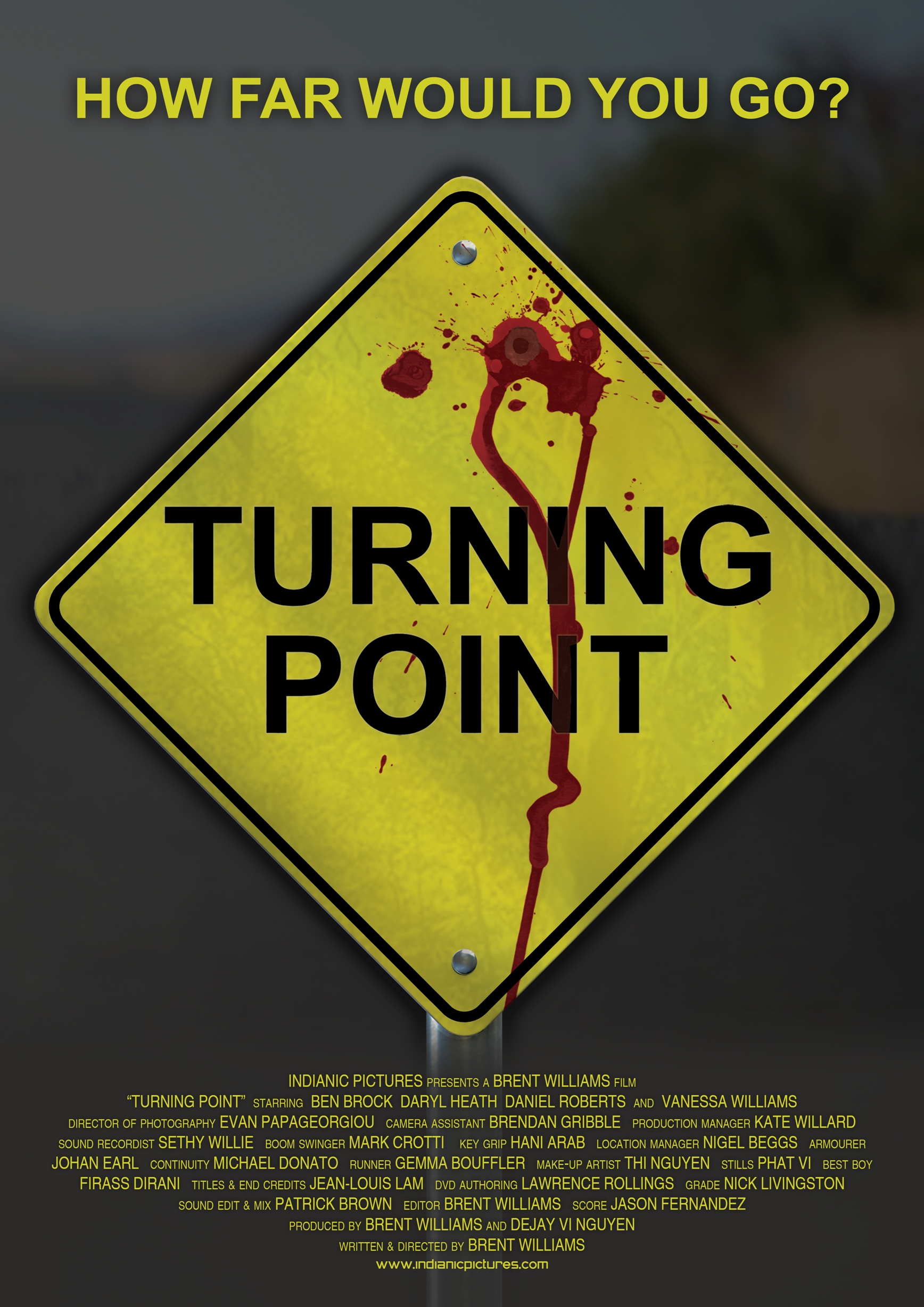
From a $200 Short Film to Australia’s Biggest Independent Production
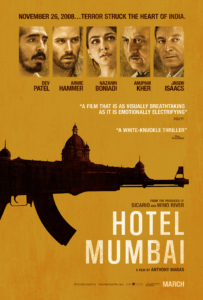
This blog is about my film journey — a seventeen-year rollercoaster that began with a short film called Going Places, made on a $200 budget, and led all the way to being part of Hotel Mumbai, the biggest independent film in Australia’s history.
It’s the story of the feature screenplay Turning Point: the highs and lows, the false starts and near-misses, the countless rewrites, and the quiet moments where I nearly gave up but didn’t.
It’s about what it means to hold onto a dream for nearly two decades, even when nothing seems to be moving — and how that same dream keeps evolving. Because now Turning Point is not only a completed screenplay; it’s also becoming a novel I plan to release in 2026, with the goal of shooting the movie in the second half of 2027.
This is that story — and the lessons I learned by simply staying in the race.
The Spark
The seed for Turning Point was planted long before the first camera rolled.
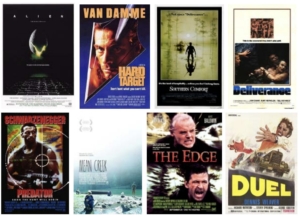
As a teenager I watched Deliverance — a raw, unsettling masterpiece about four men on a river trip gone wrong. Then came Southern Comfort, a spiritual cousin set in the Louisiana bayou. Both haunted me for years.
Around the same time a TV show called Unsolved Mysteries aired an episode about a hiker killed by a bullet that ricocheted off a lake after a hunter missed his target three kilometres away. The randomness of that tragedy — one stray decision changing everything — stuck with me.
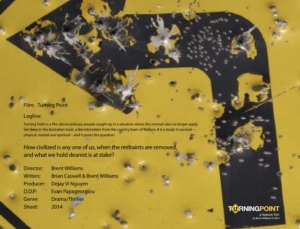
Those fragments fused into a short film I wrote and directed in 2008. We called it Turning Point: two men on a hunting trip, an accident, and the choices that follow.
“It was chaos, but it was magic.”
We shot it near Goulburn over two freezing days — 74 set-ups, zero phone reception, a crew running on caffeine and stubbornness. Eighteen months later we premiered to a packed cinema.
I screened all my shorts that night — Chameleon, Shades of Grey, The Garden — but the crowd’s favourite was Turning Point.
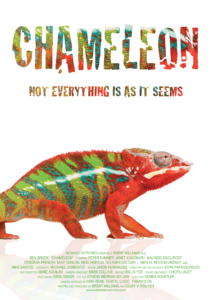

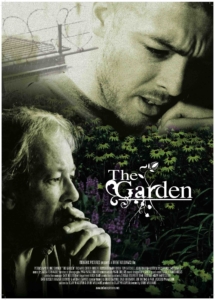
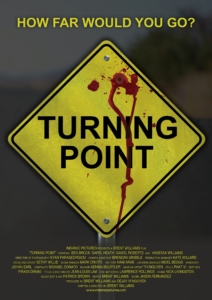
Filmmakers told me, “It feels like a trailer for a feature.”
That line lit the fuse.
The Long Road
By December 2009 I’d reached out to novelist Brian Caswell, the award-winning author who had edited my first book The World at Your Feet.
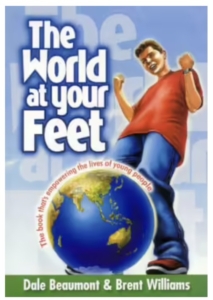
We met in his book-lined office — the kind of room where your IQ rises twenty points just walking in — and together we turned Turning Point into a feature screenplay in three feverish weeks.
It was exhilarating. I’d made short films for years; now I had a 90-page script and a dream.
“And then … nothing.”
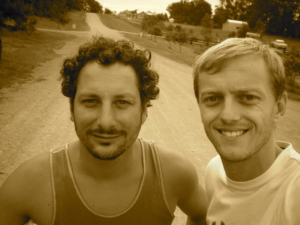
Weeks became months. I travelled around Australia with two mates, hoping the outback might breathe new life into the story. Life went on: I built Empower U, got engaged, married Val, became a dad. But Turning Point sat idle on my hard drive, a story frozen mid-sentence.
I kept telling myself: stay in the race.
False Starts and Almosts
I built pitch decks, storyboards, even researched real hunting accidents to prove the story’s plausibility. Still nothing.
By 2015 — five years after writing the first draft — I decided it was time to raise capital. My friend Joe Thomas had just produced The Man Who Knew Infinity with Dev Patel and Jeremy Irons. He told me, “Raise half a million dollars and we’ll make your film.”
So I did what I do best: I sold the dream.
I met investors, pitched the story a dozen times, and finally one said yes.
But when I tried to connect him with Joe to finalise the deal, Joe was suddenly unreachable — on film sets, at Cannes, in time zones I couldn’t spell. The opportunity evaporated.
Another year of “nothing.”
Then 2016 arrived with a twist worthy of a screenplay.
Joe called in a panic: his new film Hotel Mumbai was about to collapse after losing a major investor. If I could find someone fast, he’d make me one of the producers.
Within 48 hours I’d secured the money and saved the movie.
“That’s how I found myself on set in Adelaide, standing beside Dev Patel and a crew of 500, realising the gap between amateur and professional wasn’t as wide as I’d imagined.”
The director, Anthony Maras, told me:
“It’s not that much bigger than a short film — you just don’t have to do every job yourself.”
That sentence rebuilt my confidence. Maybe I belonged here after all.
The Hollywood Detour
On that set I met Mike Galbraith from Arclight Films. He read Turning Point, loved it, and signed a development deal. The dream was alive again.
Then came the rewrites.
Arclight hired a Hollywood veteran who’d written for Pirates of the Caribbean and National Treasure — even speeches for Barack Obama. His feedback was flattering … and fatal.
He wanted to keep a dead character alive for twenty extra pages and turn my moral thriller into a gore-filled slasher. Two years, two drafts, and a small fortune later, I was holding a script that felt nothing like mine.
“It broke my heart. But it also taught me the hardest lesson in creative life: integrity matters more than momentum.”
Even in the wreckage, I found gold. Those rewrites forced me to see new possibilities — to add a sister instead of another brother, to expand the action, to deepen the moral stakes.
Failure became fuel.
Reclaiming the Story
While Turning Point stalled, another project, Lionheart, took off — a true story about Jesse Martin, the youngest person to sail solo around the world.
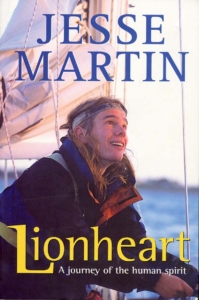
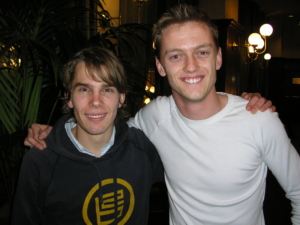
Working with Martin Brown (Moulin Rouge, Romeo + Juliet) and Leo O’Sullivan (who’d written for Al Pacino), I learned more about storytelling in two years than in the previous ten. Twice a week we’d dissect structure, rhythm, and character arcs. It was creative heaven.
By 2019 Arclight wanted yet another draft from the Hollywood writer. I said no.
“Give it back to me,” I told them. “I’ll finish it.”
They agreed.
For three weeks I lived inside Turning Point again, collaborating with Martin and Leo to rebuild it from scratch. We wrote a new treatment — clean, muscular, and emotionally grounded. Then I opened Final Draft and, in ten days, poured out the first 30 pages.
“You don’t stay in the race because you’re confident. You stay because you can’t imagine doing anything else.”
Then doubt crept in. Is this good? Or am I delusional?
I sent the pages to Leo in L.A. and braced for silence.
A week later his email arrived:
“It’s great. Keep going.”
By the time I read that line I’d already written another 30 pages. I was flying again.
And then COVID hit. The world stopped, and so did the script.
What Seventeen Years Taught Me
Looking back, those “lost years” were anything but lost. They were the training montage nobody sees.
Over seventeen years, I learned how Hollywood actually works — the financing, the politics, the patience.
I built a global network of filmmakers who now champion my work.
I evolved from director to producer, from storyteller to strategist.
I learned that every “nothing” period hides unseen progress: meetings, ideas, relationships, skills quietly compounding.
“Every ‘nothing’ period hides unseen progress.”
And, maybe most importantly, I learned to silence the imposter voice that whispers Who do you think you are?
Because here’s the truth:
You don’t stay in the race because you’re confident.
You stay because you can’t imagine doing anything else.
Where the Story Stands
Today Turning Point sits three scenes from completion. Lionheart is in active development. I’ve acquired rights to Spider Dance — the true story of a Dutch princess during Melbourne’s gold rush — and a film based on The Jaws Log, the behind-the-scenes chronicle of my favourite movie of all time.
I’m also co-directing a feature I can’t yet talk about publicly.
The race continues — and I’m still in it.
6 Lessons to Stay in the Race
- Understand Your Industry.
Learn the business as deeply as you love the art. Skill without strategy stalls. - Build Networks in the “Nothing.”
Every coffee, call, and connection compounds. Progress isn’t always visible. - Develop Mastery.
Twenty-five drafts later, I finally understood story. Repetition breeds readiness. - Embrace Detours.
The projects that “fail” often forge the skills you’ll need for the one that succeeds. - Find Mentors — and Listen.
A single conversation with the right person can realign your trajectory. - Never Quit the Race.
When self-doubt whispers “stop,” ask, What are the consequences if I don’t finish?
Then keep going one more time than you give up.
The Road Ahead
Now, as I look ahead, Turning Point has taken on new life.
After more than two dozen drafts, I’ve adapted the screenplay into a full-length novel, which I plan to publish in 2026. It’s a way to bring the story — and all its themes of truth, silence, and consequence — to the world before the cameras roll.
“The goal is to film the movie in the second half of 2027, completing a seventeen-year creative arc that began with a $200 short film and a dream that refused to die.”
If there’s one thing this journey has taught me, it’s this:
the people who make it aren’t always the ones who sprint the fastest — they’re the ones who simply refuse to stop running.
I’ve been running this race a long time.
And the finish line is finally coming into view.
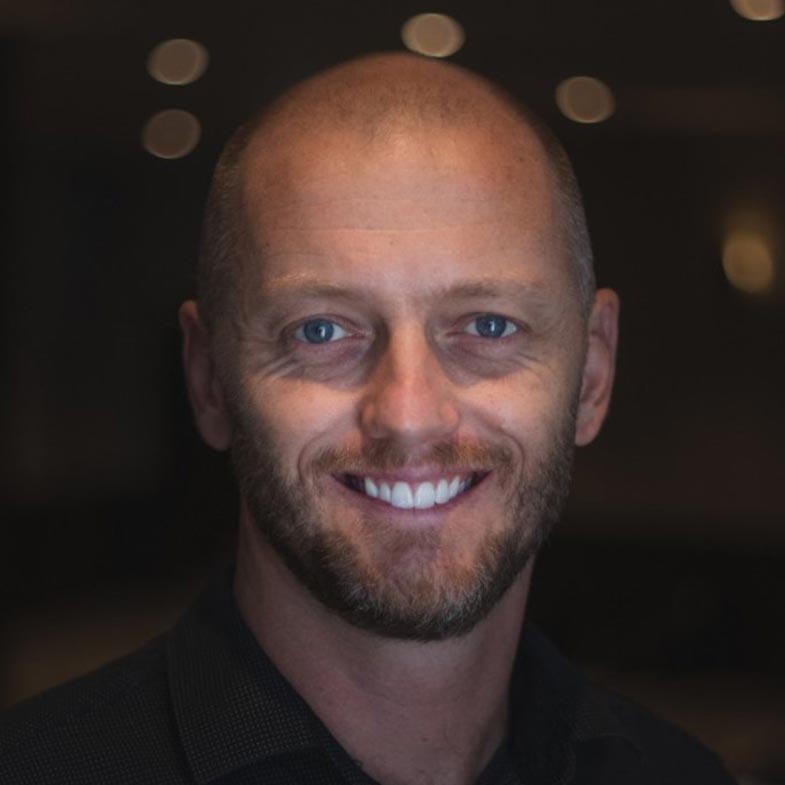
Brent is the founder and a key presenter of Empower U, a program aimed at motivating and teaching life skills to teenagers and young adults. His work primarily focuses on empowering today’s youth to gain the skills and motivation they need to succeed in a rapidly changing world. Brent’s approach integrates personal development with practical life skills, aiming to help young individuals leap ahead of their peers.
 Empower U